 Menu
Agriculture
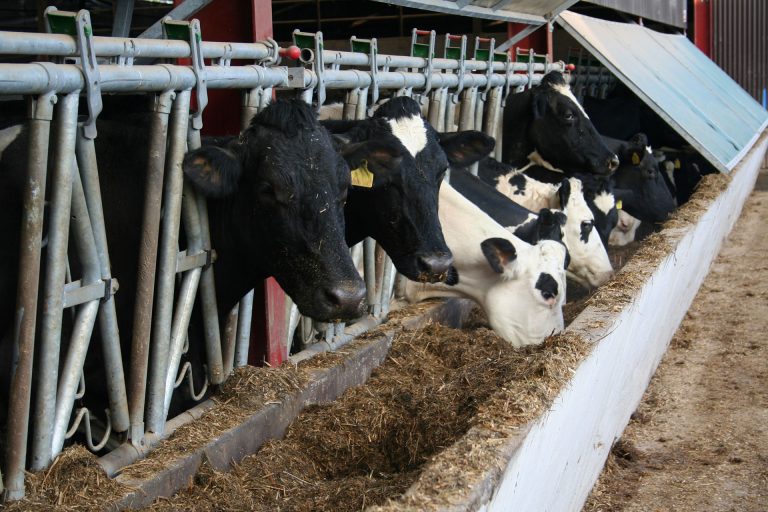
As temperatures drop, rainfall increases and livestock spend more time indoors, winter places additional demands on farm infrastructure. From livestock housing and drinking water systems to feed storage and busy farmyards, ensuring facilities are in good condition is essential for maintaining efficient daily operations.
For dairy and beef farmers, the winter months often bring increased workloads and challenging conditions. Damaged flooring, unreliable water supplies or poorly maintained storage areas can create unnecessary disruption at a time when dependable facilities are particularly important.
Taking a proactive approach to winter maintenance can help identify potential problems before they develop, support livestock welfare and improve safety for those working on the farm.
At Moore Concrete, we understand the importance of reliable agricultural infrastructure. In this guide, we explore five key areas farmers should consider when preparing their facilities for the colder months.
1. Inspect Livestock Housing and Flooring
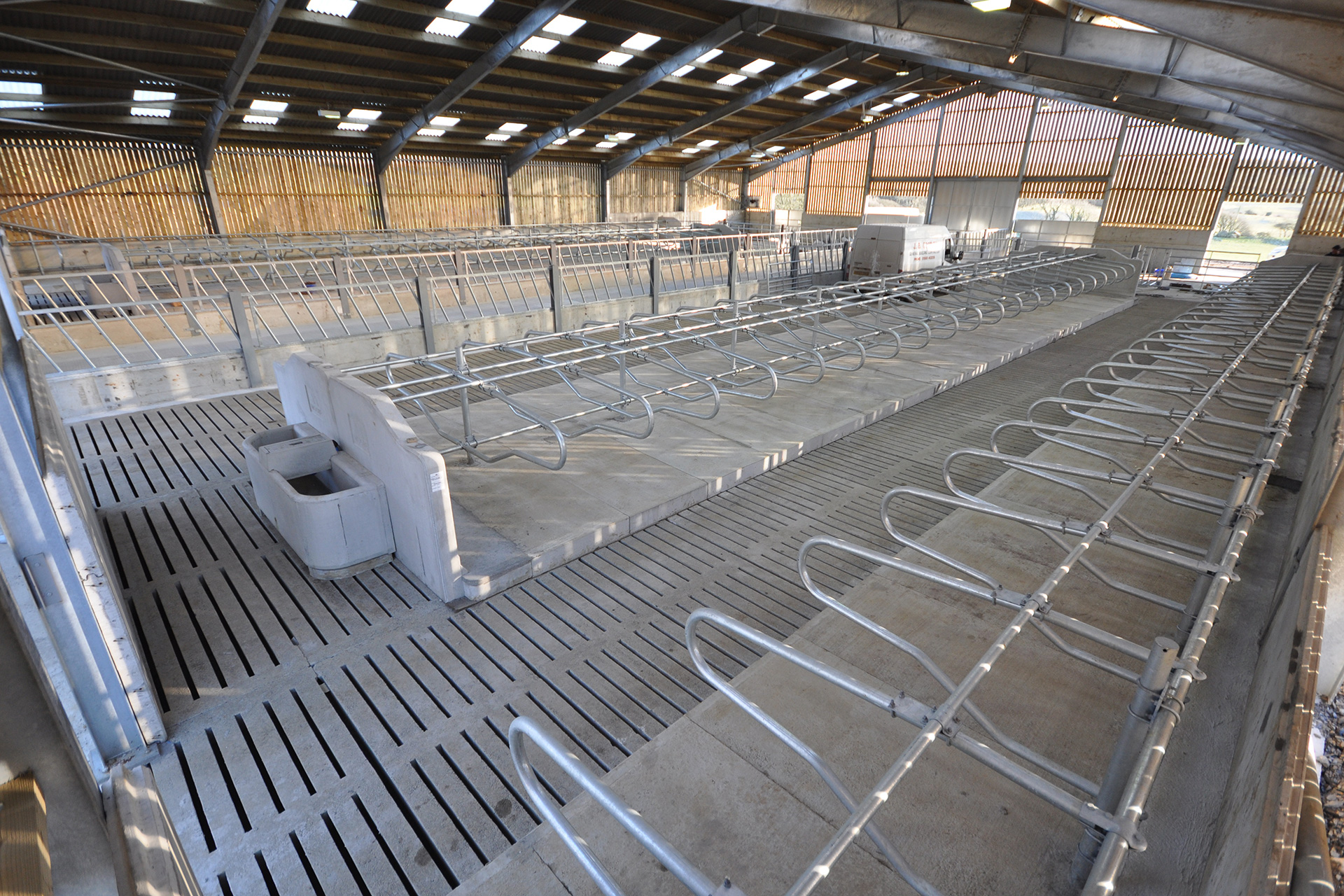
As cattle spend extended periods indoors throughout winter, ensuring livestock housing is safe, comfortable and suitable for different age groups becomes increasingly important.
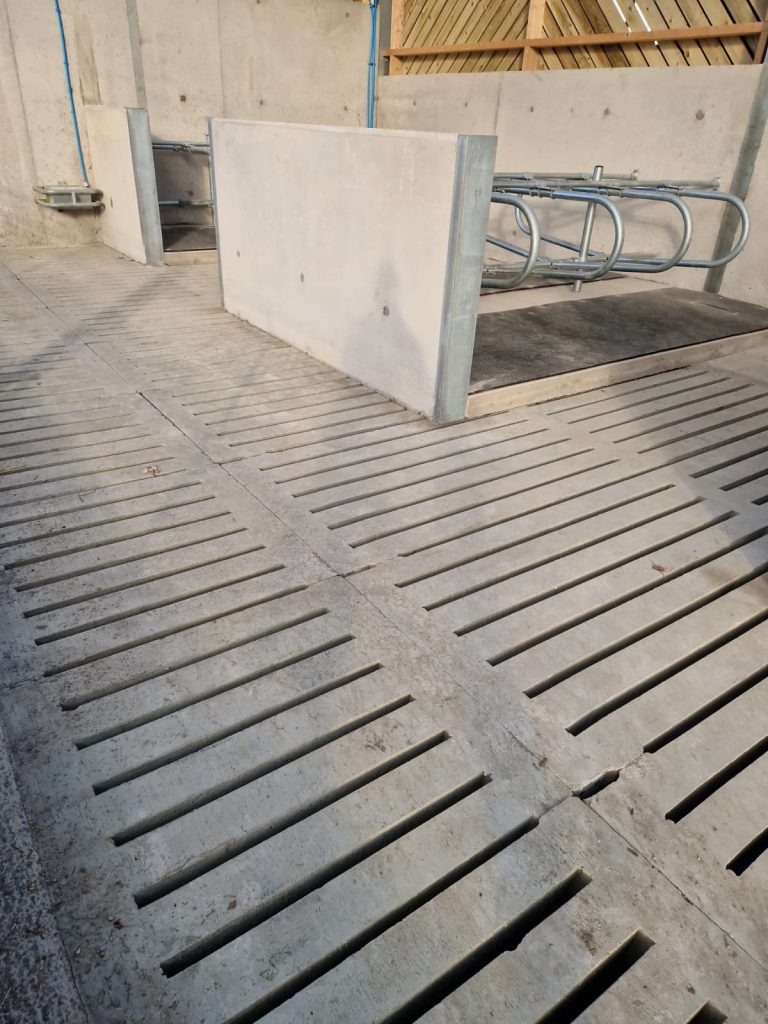
One of the key areas to inspect is slatted flooring. Over time, agricultural flooring can be subjected to considerable wear from livestock movement, machinery and daily operations. Farmers should regularly check for visible cracks, deterioration, excessive wear or movement, and arrange professional assessment where structural damage is suspected.
Young stock, in particular, have different housing requirements from mature cattle. Providing appropriately designed flooring is an important consideration when planning accommodation for calves and growing cattle.
Moore Concrete’s Young Stock Slats offer a purpose-designed flooring solution for younger livestock, helping farmers create housing facilities suited to their animals’ needs.
For other cattle housing applications, Moore Concrete’s SUREFOOT™ Slats provide a precast concrete flooring option, with the appropriate specification selected according to livestock type and intended use.
Reviewing existing flooring before and during the winter housing period can help farmers identify areas requiring attention and plan necessary improvements to their facilities.
2. Ensure Reliable Access to Drinking Water
Access to a consistent supply of clean drinking water is essential for livestock health and welfare throughout the year, and winter presents additional challenges.
Freezing temperatures can affect exposed pipework, valves and water supplies, while increased periods of indoor housing place greater reliance on drinking facilities.
Farmers should regularly inspect water troughs and drinkers for signs of damage, contamination or leaks. Water flow rates should also be checked to ensure that livestock have sufficient access, particularly during periods of increased demand.
Moore Concrete manufactures a range of precast concrete Water Troughs, providing robust drinking water solutions for agricultural environments.
Their durable construction makes them suitable for demanding farm conditions, where equipment is regularly exposed to livestock activity and everyday wear.
However, even durable troughs require routine maintenance, and appropriate precautions should be taken to protect water supplies against freezing conditions.
By maintaining drinking facilities and identifying potential issues early, farmers can help minimise disruption and ensure livestock have reliable access to water throughout winter.

3. Review Feed Storage and Accessibility
Effective feed storage becomes particularly important during winter, when livestock are more reliant on stored forage and supplementary feeding.
Wet weather, restricted access and poorly maintained storage facilities can create challenges for farmers managing daily feeding operations.
Before the worst winter conditions arrive, farmers should inspect silage clamps and other feed storage areas for signs of damage, paying particular attention to the condition of retaining walls, drainage and access routes.
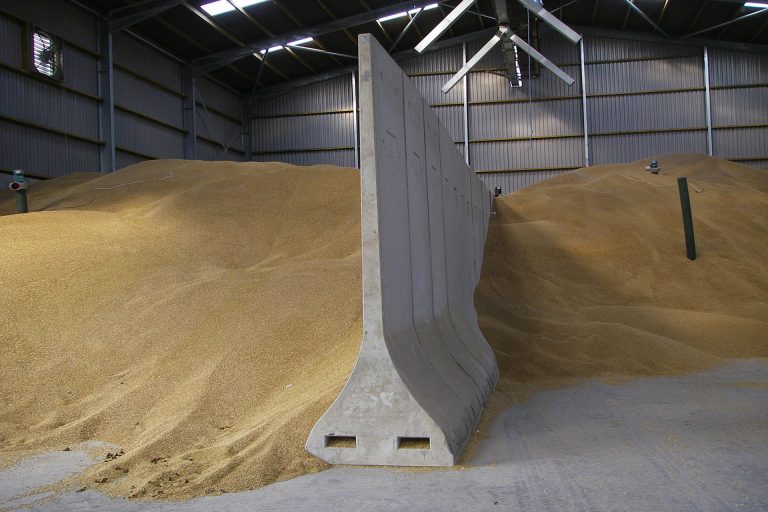
Moore Concrete’s precast Bunker Walls provide a versatile solution for agricultural storage requirements, including silage and other bulk materials where the product is appropriately specified.
Their precast construction allows farmers to plan practical storage layouts suited to their operations, while providing a robust retaining solution.
Farmers should also consider whether their existing storage capacity will meet future requirements, particularly where herd numbers or feeding arrangements are expected to change.
Although winter is already underway, it can be an ideal time to begin planning infrastructure improvements ahead of the next silage season.
Assessing storage requirements early provides an opportunity to explore suitable solutions and make informed decisions before the busier months arrive.
4. Maintain Safe and Accessible Farmyards
Winter weather can create additional hazards around agricultural premises, particularly in areas experiencing frequent livestock, pedestrian and machinery movements.
Heavy rainfall, mud, standing water and icy conditions can make farmyards more difficult to navigate, increasing the importance of effective maintenance and safe working practices.
Farmers should regularly inspect high-traffic areas, access routes and drainage systems to identify potential hazards.
Blocked drainage channels, damaged surfaces and poorly organised storage areas can contribute to unsafe conditions and unnecessary disruption.
Maintaining clear access routes is particularly important where tractors, telehandlers and other agricultural machinery operate alongside livestock and farm workers.
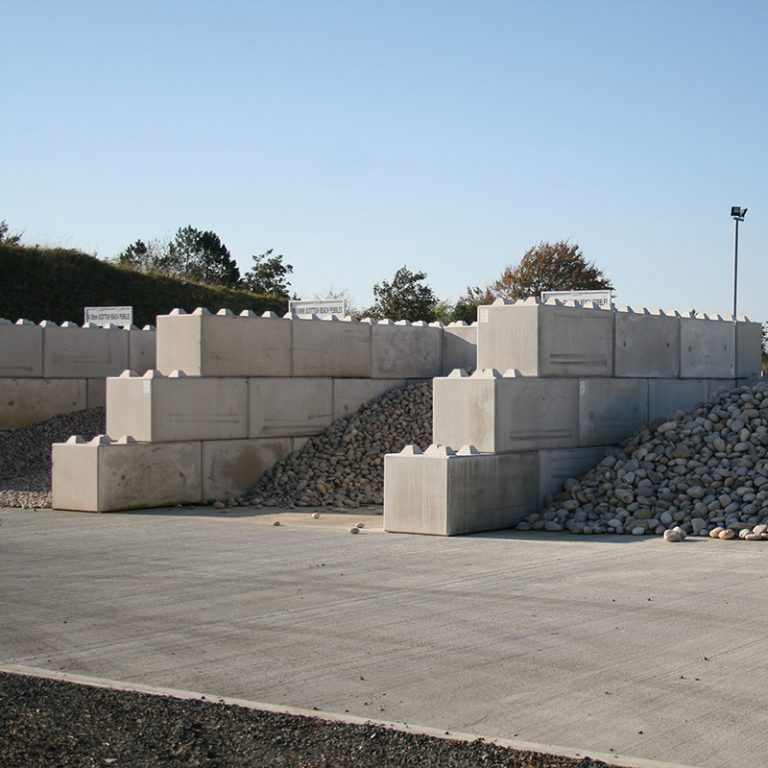
Moore Concrete offers a range of agricultural and precast concrete solutions, including Concrete Barriers and QuikBloc, which may be suitable for certain farmyard layout and segregation requirements when correctly selected and installed.
Alongside appropriate infrastructure, clear traffic management arrangements, regular inspections and good housekeeping can help maintain safer working environments throughout the winter months.
Plan Ahead for Future Farm Infrastructure Improvements
While winter preparation often focuses on immediate maintenance, the colder months also provide an opportunity to review longer-term infrastructure requirements.
As farmers spend more time managing indoor livestock housing and feeding operations, areas where existing facilities could be improved may become more apparent.
Whether considering additional livestock accommodation, upgraded flooring, improved drinking facilities or expanded feed storage, early planning can help ensure future developments are suited to the farm’s requirements.
Investing in appropriate infrastructure can support more efficient daily operations, improve the practicality of farm layouts and contribute to safer working conditions.
Precast concrete products offer a range of potential solutions for agricultural developments, with products manufactured in a controlled factory environment before being transported to site.
At Moore Concrete, our Agriculture range includes Young Stock Slats, SUREFOOT™ Slats, Water Troughs, Bunker Walls, Feed Troughs and other precast solutions designed for agricultural applications.
Our experienced Agriculture Sales Team can help farmers explore suitable product options for their individual projects.